Tirzepatide Plateau: Why Weight Loss Slows and How to Restart Progress
Tirzepatide Plateau: Why Weight Loss Slows and How to Restart Progress
Table of Contents
I. How Tirzepatide Supports Weight Loss
II. Why Weight Loss Plateaus on Tirzepatide
III. How to Restart Weight Loss After a Tirzepatide Plateau
IV. What Research Says About Tirzepatide Plateaus
V. When to Talk to Your Doctor
VII. Losing More Weight Before Plateau
If you’ve been taking tirzepatide and wondering, “Why am I not losing weight on tirzepatide anymore?” this article is for you. Many people experience steady progress early on, only to hit a frustrating wall where the scale stops moving. But that doesn’t mean the medication has stopped working. In fact, it’s a normal phase known as a weight loss plateau, and understanding it can help you restart progress and set realistic expectations for your journey.
How Tirzepatide Supports Weight Loss
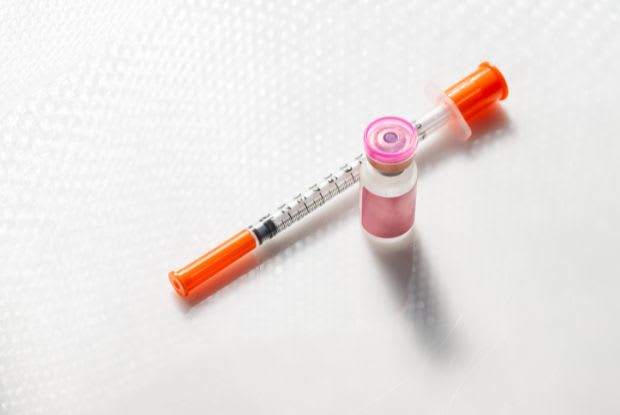
Tirzepatide is a once-weekly injectable medication that works by mimicking two natural hormones: GIP (glucose-dependent insulinotropic polypeptide) and GLP-1 (glucagon-like peptide-1). Together, they help regulate appetite, slow digestion, and improve insulin sensitivity. This dual action mechanism makes tirzepatide more effective than medications that target only GLP-1, such as semaglutide. 1
When combined with a reduced-calorie diet and regular activity, tirzepatide can lead to significant weight loss. Tirzepatide weight loss results in clinical studies show that participants lost as much as 26% of their body weight during treatment. 2
In the early phase of treatment, the body responds quickly to lower calorie intake and reduced hunger cues. However, as the weeks pass, metabolism begins to adapt. This is where most people notice a slowdown and start asking, “Why am I not losing weight on tirzepatide even though I’m following the plan?”
Why Weight Loss Plateaus on Tirzepatide
A plateau happens when your body adjusts to its new lower weight and calorie intake. At first, tirzepatide reduces appetite and slows digestion, which lowers your overall calorie consumption. But as weight drops, your metabolic rate (the number of calories you burn at rest) also declines. This process, called metabolic adaptation, means your body requires fewer calories to function. 3
Additionally, the body has an internal “feedback control circuit” that fights against ongoing weight loss by increasing hunger and conserving energy. 3 Tirzepatide weakens this feedback loop by reducing hunger signals, but it doesn’t completely override them. Over time, hormones like ghrelin (the hunger hormone) start rising again, while satiety hormones decline. As a result, you may feel hungrier or less satisfied with the same portions you used to eat. 2
So, when you find yourself wondering, “Why am I not losing weight on tirzepatide even though I’m still taking it?”, it’s often your body’s built-in system working to preserve energy, not a sign of failure. Even those who have seen major tirzepatide weight loss results encounter this stage before their next wave of progress.
How to Restart Weight Loss After a Tirzepatide Plateau
If you’ve been stuck wondering, “Why am I not losing weight on tirzepatide anymore?”, it’s time to make some strategic changes. The good news is that plateaus are temporary, and, with the right adjustments, you can get your progress moving again. Here’s how to get your tirzepatide weight loss results back on track:
Reevaluate Your Calorie Intake
As weight decreases, the body needs fewer calories. The deficit that produced early tirzepatide weight loss results may no longer be enough. Tracking intake for a week or two can help identify hidden sources of extra calories. 3
Focus On Building Muscle
Strength training can enhance tirzepatide weight loss results by helping build lean muscle. Muscle tissue uses up more energy than fat, even when you're not actively moving. So, the more muscle you have, the more calories your body burns at rest. Muscle mass, along with your genetics, plays a big role in determining how many calories your body needs daily. 4
On top of that, strength workouts trigger something called excess post-exercise oxygen consumption, or EPOC. After a tough session, your body keeps burning calories as it works to recover and return to its normal state. 4
Keep Active Outside the Gym
Increasing your daily activity, like walking, cleaning, or standing more often, can make a surprising difference. Even small increases in movement can reignite calorie burn. People who maintain consistent activity can see longer-lasting tirzepatide weight loss results.
Stay Consistent With Medication Timing
Tirzepatide needs to be taken once a week, ideally on the same day each time, to maintain steady levels in your body. Missing doses or taking them at irregular intervals can reduce how effectively it controls appetite. 1
However, if you’ve been wondering, “Why am I not losing weight on tirzepatide even though I’m following everything correctly?”, it may be worth reviewing your dosage. If your progress has stalled despite staying on track, talk to your doctor about whether a gradual dose increase could help restart weight loss safely.
Manage Side Effects That Interfere With Eating Patterns
Some people eat too little due to nausea or fullness, then overeat once the side effects fade. Aim for small, balanced meals to keep energy stable and maintain steady tirzepatide weight loss results.
What Research Says About Tirzepatide Plateaus
Clinical studies show that tirzepatide can produce impressive results before a plateau occurs. Participants lost an average of about 26% of their body weight before progress leveled off. 2 Studies also show that tirzepatide can prolong the active weight loss phase, delaying when plateaus typically occur. 3
Higher tirzepatide doses delayed the plateau, with participants on 15 mg maintaining active weight loss longer than those on 5 mg. Age and sex also influenced results with younger participants and women reaching their plateau later. 2
So, when progress slows and you start wondering, “Why am I not losing weight on tirzepatide?”, it’s simply the body balancing itself after months of calorie reduction. As metabolism balances, continued healthy habits help sustain your tirzepatide weight loss results for the long run.
When to Talk to Your Doctor
If your weight has stayed the same for weeks despite consistent tirzepatide use and lifestyle habits, it’s worth discussing with your healthcare provider. They can check for:
- Medication tolerance or dosing issues. Sometimes, dose adjustments are needed to maintain tirzepatide weight loss results.
- Metabolic or hormonal changes. Conditions like hypothyroidism, insulin resistance, or elevated cortisol may affect progress.
- Other medications. Certain drugs can blunt weight loss.
- Mental health or sleep patterns. Poor sleep, stress, or emotional eating can contribute to plateaus.
Your provider might also order lab tests or suggest working with a registered dietitian to tailor your plan. If you experience severe nausea, vomiting, or abdominal pain, contact your doctor immediately, as these can indicate side effects that need attention. 1
Conclusion
Plateaus happen to most people taking tirzepatide. The early stages bring fast, noticeable changes, but the body always works to find a new equilibrium. Rather than viewing a plateau as a setback, think of it as a checkpoint that helps reset your metabolism for continued success.
Understanding “Why am I not losing weight on tirzepatide?” helps you approach the process with strategy and patience. With consistent use, dietary improvements, and regular activity, most people break through the plateau and continue achieving meaningful tirzepatide weight loss results.
Learn more or begin your treatment through ScriptsMD and explore additional information on the tirzepatide blog for guidance, research updates, and expert advice on maintaining your results.
FAQ: Why Do Some People Lose Weight Longer Before Reaching a Plateau?
Several factors affect how long active weight loss lasts. Higher tirzepatide doses usually support a longer period of steady progress. In trials, people using 15 mg continued losing weight for a longer stretch compared to those using 5 mg. Age and sex also influence the pattern, with younger adults and many women often seeing a longer period of weight reduction before they reach a plateau. 2
Because these factors differ from person to person, the duration of active weight loss can vary even when people follow similar routines.
In summary:
- Higher tirzepatide doses extend the weight-loss period
- Younger adults tend to plateau later
- Women tend to reach a plateau later than men
References
- Eli Lilly and Company Zepbound (tirzeaptide)
- Horn, D. B., Kahan, S., Batterham, R. L., et al. Time to weight plateau with tirzepatide treatment in the SURMOUNT-1 and SURMOUNT-4 clinical studies
- Hall, K. D. Physiology of the weight-loss plateau in response to diet restriction, GLP-1 receptor agonism, and bariatric surgery
- Restivo, J. Can you increase your metabolism?