Switching From Semaglutide to Tirzepatide: Timing and What to Expect
Switching From Semaglutide to Tirzepatide: Timing and What to Expect
Table of Contents
I. Why Patients Switch From Semaglutide to Tirzepatide
II. How Tirzepatide Dosing Compares to Semaglutide
III. When and How to Safely Transition Between Medications
IV. What to Expect After Switching to Tirzepatide
V. Clinical Evidence on Switching From Semaglutide to Tirzepatide
VII. FAQ: Will Switching Help with Sleep Apnea?
At some point in weight loss treatment, progress can slow down. The number on the scale stops dropping, appetite control feels weaker, or side effects make sticking with the same medication harder. That is often when people begin talking with their provider about switching from semaglutide to tirzepatide.
Sometimes the decision comes down to results. Tirzepatide tends to help some people lose more weight or improve their blood sugar more than semaglutide. 1 For others, it is about tolerance. Nausea or fatigue that was manageable early on can become difficult over time, and a different medication may offer better balance.
There are also practical reasons for switching from semaglutide to tirzepatide, such as medication shortages or wanting a treatment that aligns with newer research and approvals. Tirzepatide now has indications that semaglutide does not, which can make it a logical next step for long-term care.
No matter the reason, transitioning between the two takes planning. The semaglutide to tirzepatide dose conversion, timing, and adjustment period all play a role in how smooth the process feels and how effective it ends up being.
Why Patients Switch From Semaglutide to Tirzepatide
When semaglutide first became widely available, it was a major step forward for people managing obesity and type 2 diabetes. Over time, though, research has shown that tirzepatide provides even greater benefits for some individuals. Tirzepatide activates two hormones, GLP-1 and GIP, which help regulate appetite and blood sugar more effectively. Clinical studies have shown that patients on tirzepatide often experience more significant and consistent weight loss than those on semaglutide. 1
Many patients also consider switching from semaglutide to tirzepatide because tirzepatide has demonstrated additional benefits beyond weight loss. It has been shown to improve insulin sensitivity and reduce sleep-related breathing issues. A recent study on tirzepatide for sleep apnea found that patients experienced a reduction in sleep apnea symptoms, providing another reason to make the switch. 2
How Tirzepatide Dosing Compares to Semaglutide
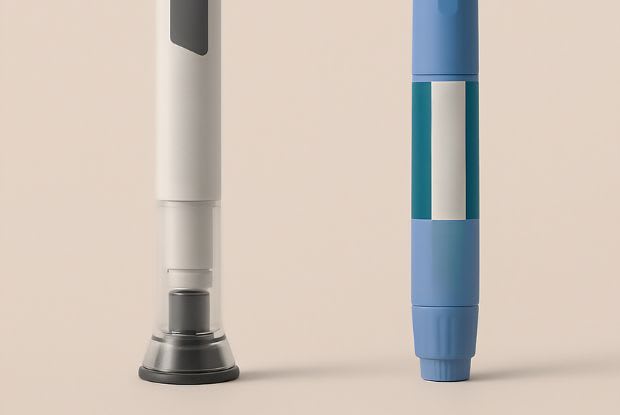
While semaglutide and tirzepatide are both weekly injections, their dose scales don’t line up directly. The two drugs have different potencies, so the semaglutide to tirzepatide dose conversion isn’t a matter of matching milligrams one-to-one.
Injectable semaglutide doses usually range from 0.25 mg to 2.4 mg weekly, while tirzepatide begins at 2.5 mg and can be gradually increased up to 15 mg. When switching from semaglutide to tirzepatide, share your current dose and treatment duration with your healthcare provider. They can guide you through a personalized plan for a smooth transition. 3
The recommended approach for semaglutide to tirzepatide dose conversion is to begin at either an equivalent or one step lower dose, then increase gradually every four weeks as tolerated. This helps reduce gastrointestinal (GI) side effects like nausea, constipation, or bloating. 3
It’s important not to jump straight from a moderate dose of semaglutide (for example, 1 mg weekly) to the highest tirzepatide dose. Switching directly from a submaximal dose of one agent to the maximum of another is not recommended due to a higher risk of GI symptoms. 3
When and How to Safely Transition Between Medications
Timing plays a major role in how comfortable and successful the switch is. For most patients, the safest window between stopping injectable semaglutide and starting tirzepatide is seven days after your last semaglutide dose, which prevents overlapping effects that could intensify nausea or dizziness. If you’re switching from a daily semaglutide to weekly tirzepatide, you can start the next day. 3 However, these are just guidelines. Your doctor will work with you to create a personalized transition plan.
Here’s what the process typically looks like:
- Step 1: Discontinue injectable semaglutide after your last scheduled dose.
- Step 2: Wait 7 days before your first tirzepatide injection.
- Step 3: Start tirzepatide at an equivalent or lower dose (your healthcare provider will work with you to find your exact starting dose)
- Step 4: Titrate up slowly to reach your maintenance dose 3
If the switch is being made due to gastrointestinal side effects, it is recommended to wait until symptoms fully resolve before starting tirzepatide and using the lowest possible starting dose. Your provider may also suggest a slower titration schedule and, if appropriate, temporarily holding metformin. 3
If side effects continue or become bothersome, it may help to review our guide on Tirzepatide Side Effects and Drug Interactions. It includes practical tips for easing symptoms.
What to Expect After Switching to Tirzepatide
The first few weeks after switching from semaglutide to tirzepatide are about adjustment. Your body is adapting to the new medication, and mild side effects are normal. Many people notice appetite changes within the first weeks, followed by steady weight reduction as their dose increases.
Clinical results showed that patients who transitioned to tirzepatide experienced better appetite control and improved blood sugar levels within twelve weeks of switching. This means that once your body adjusts, tirzepatide can start working more efficiently than semaglutide did before the change. 4
Mild side effects like nausea, constipation, or fatigue can occur, especially as your dose increases. These effects are usually temporary and can be managed with hydration, smaller meals, and gradual titration. For some, compounded tirzepatide formulas that include ingredients such as vitamin B12 may help reduce gastrointestinal discomfort and make long-term treatment easier to tolerate.
Clinical Evidence on Switching From Semaglutide to Tirzepatide

Recent research continues to show strong results for switching from semaglutide to tirzepatide. In a large study of more than 18,000 adults, those taking tirzepatide lost significantly more weight than those who remained on semaglutide. After twelve months, average weight reduction was greater with tirzepatide, and participants were more likely to lose 5, 10, and even 15 percent of their total body weight. Rates of gastrointestinal side effects were similar between the groups, showing that the medication was just as tolerable. These findings suggest that when the semaglutide to tirzepatide dose conversion is handled carefully, the transition can lead to greater progress without added risk. 1
Another twelve-week study looked specifically at people with type 2 diabetes who moved directly from GLP-1 treatments such as semaglutide or dulaglutide to tirzepatide 5 mg. Participants saw steady improvements in blood sugar and weight, with HbA1c levels dropping by 0.43% and fasting glucose decreasing by almost 8 mg/dL. They also lost an average of 4.7 pounds. About 13% reported mild gastrointestinal issues, and only 2% stopped treatment because of them. No severe hypoglycemia occurred, showing that starting tirzepatide is a safe and effective next step after semaglutide therapy. 4
Conclusion
Switching from semaglutide to tirzepatide isn’t a one-size-fits-all process, but when done correctly, it can be a seamless transition with strong potential benefits. The important part when switching from semaglutide to tirzepatide is planning the transition carefully and following the right semaglutide to tirzepatide dose conversion schedule.
Most people who switch see progress within a few months, whether in weight, blood sugar, or overall well-being. And while mild side effects are common early on, following the semaglutide to tirzepatide dose conversion guidance and working closely with your healthcare provider helps make the transition safe and comfortable.
FAQ: Can Switching to Tirzepatide Improve Sleep Apnea?
Tirzepatide has been shown to reduce the severity of obstructive sleep apnea in adults with obesity. In clinical research, participants experienced fewer apnea and hypopnea events and improved breathing during sleep as their weight decreased. Because sleep apnea is closely linked to excess weight, the weight loss effects of tirzepatide contribute directly to these improvements. 2
Quick takeaways:
- Fewer apnea and hypopnea events during sleep
- Can improve sleep quality and reduce sleep disturbances
- Benefits linked to weight loss
References
- Rodriguez, P. J., Goodwin Cartwright, B. M., Gratzl, S., et al. Semaglutide vs Tirzepatide for Weight Loss in Adults With Overweight or Obesity
- Malhotra, A., Grunstein, R. R., Fietze, I., et al. Tirzepatide for the Treatment of Obstructive Sleep Apnea and Obesity
- Wisconsin Academy of Family Physicians Updates to the GLP1-RA Dose Comparisons Chart
- Jabbour, S., Paik, J. S., Aleppo, G., et al. Switching to tirzepatide 5 mg from GLP-1 RAs: Clinical expectations in the first 12 weeks of treatment