Does Tirzepatide Cause Hair Loss? The Real Reason Behind the Shedding
Does Tirzepatide Cause Hair Loss? The Real Reason Behind the Shedding
Table of Contents
I. How Tirzepatide Affects the Body
II. Why Hair Shedding Can Happen During Weight Loss
III. How Long Does Tirzepatide Hair Loss Last?
V. When to Consult a Healthcare Provider
VII. How to Prevent Hair Shedding While Losing Weight?
If you’ve started taking tirzepatide for weight loss and noticed more hair in your brush, you’re not alone. Many people online have been asking the same question: Does tirzepatide cause hair loss?
The short answer is that tirzepatide itself doesn’t appear to cause hair loss, but the rapid weight loss it triggers can temporarily disrupt your hair growth cycle. 1 The good news is that this type of shedding is usually temporary, and there are ways to help your hair recover while you continue your treatment.
Before worrying that the medication itself is to blame, it helps to understand how tirzepatide works in the body, what happens to your hair when you lose weight quickly, and when it’s worth checking in with your doctor. Understanding what causes tirzepatide hair loss can make the process less stressful and easier to manage.
How Tirzepatide Affects the Body
Tirzepatide is a dual-action medication that activates GLP-1 and GIP receptors, helping control blood sugar and appetite. This combination of GIP and GLP-1 receptor activity helps achieve more weight loss than GLP-1-only drugs. In fact, studies such as the SURMOUNT-1 trial have shown that tirzepatide can lead to substantial weight loss, often averaging 20% or more of body weight for many participants. 2
The same mechanisms that make tirzepatide effective for weight management can also lead to rapid weight loss, which may temporarily disrupt your hair growth cycle. This is where tirzepatide hair loss can sometimes enter the picture, not because of the medication’s chemistry, but because of the body’s response to weight loss. 3
Many people who ask, “Does tirzepatide cause hair loss?” are really experiencing temporary shedding from a shift in the natural hair growth cycle, rather than an adverse reaction to the medication itself. 3
Why Hair Shedding Can Happen During Weight Loss
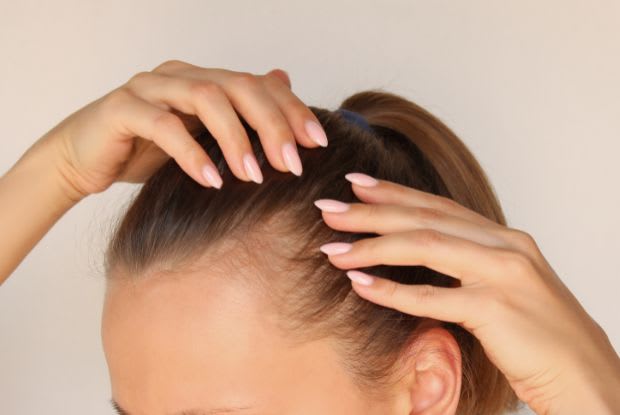
So, if tirzepatide doesn’t directly cause hair loss, why do some people still experience shedding? The answer lies in a condition called telogen effluvium, a temporary form of hair loss triggered by physiological stress. 3
Telogen effluvium happens when a sudden body change pushes more hair follicles than usual into the resting (telogen) phase, leading to noticeable shedding a few months later. Rapid weight loss, illness, hormonal shifts, and nutritional deficiencies can all trigger it. 3
So, if you’re losing weight quickly with tirzepatide and notice thinning hair, it’s likely your body is adjusting, not rejecting the treatment. So, when people ask, “Does tirzepatide cause hair loss?” the accurate answer is that it contributes indirectly through stress on the hair cycle. In other words, tirzepatide hair loss doesn’t stem from the drug itself but from the rapid weight loss that happens because of taking it.
Tirzepatide Hair Loss: How Long It Lasts and What You Can Do About It
Most episodes of hair shedding due to telogen effluvium are temporary. The shedding usually starts about two to four months after the body experiences stress (like rapid weight loss) and can last another six to nine months before stabilizing. Once your body adjusts to its new weight and nutrient levels, hair growth typically resumes on its own. 4
The good news? There are practical steps to minimize tirzepatide hair loss:
- Take a balanced multivitamin. Supplements containing biotin, zinc, and vitamin D can help fill nutritional gaps that might contribute to shedding.
- Avoid overly tight hairstyles or harsh treatments. These can worsen breakage during recovery.
- Manage stress. Psychological stress can compound physical stress on the body, prolonging hair loss.
- Be patient. Hair grows in cycles. Even after shedding stops, it can take several months to notice fuller regrowth. 4
Being proactive about nutrition and self-care during weight loss can help prevent extended tirzepatide hair loss and support overall recovery.
What Research Says About the Connection Between Tirzepatide and Hair Loss
Across thousands of participants, the most reported tirzepatide side effects were gastrointestinal issues such as nausea, diarrhea, and constipation. These symptoms typically improved as the body adjusted to the medication. However, tirzepatide hair loss was not mentioned as a side effect. 2
Interestingly, a case report described a patient whose hair loss improved after tirzepatide treatment for insulin resistance. By stabilizing blood sugar and reducing inflammation, tirzepatide indirectly supported new hair growth. 1
This growing body of evidence suggests that the question “Does tirzepatide cause hair loss?” is better reframed as: Does rapid weight loss cause temporary shedding during tirzepatide treatment? In other words, tirzepatide hair loss is usually not a true side effect but a short-lived adjustment phase.
When to Consult a Healthcare Provider
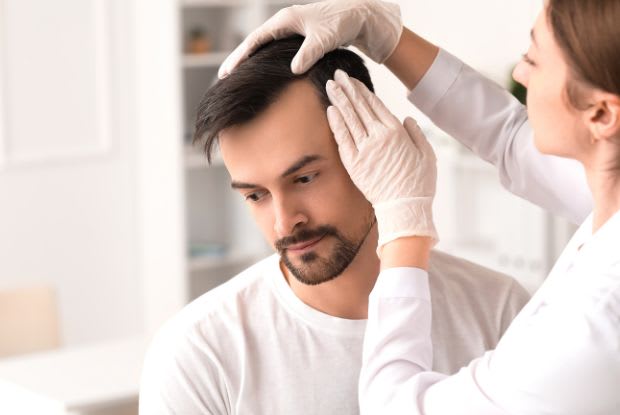
Mild, temporary shedding is usually no cause for alarm. But if your tirzepatide hair loss seems excessive, it’s worth checking in with your healthcare provider or dermatologist. They can evaluate for other causes like thyroid imbalance, anemia, or underlying skin conditions that might be unrelated to your tirzepatide hair loss. Sometimes, simple bloodwork can reveal correctable issues such as low iron or vitamin D deficiency. 4
If you’re managing your tirzepatide prescription through an online pharmacy, make sure to report any concerns early. ScriptsMD offers ongoing medical support and can adjust your care plan or recommend treatments to maintain hair and scalp health while you continue treatment. Discussing questions like “Does tirzepatide cause hair loss?” with a professional can provide reassurance and help you stay consistent with your therapy.
Conclusion
So, does tirzepatide cause hair loss? Not directly. Clinical data and research suggest that hair shedding seen during tirzepatide treatment is a side effect of rapid weight loss, not of the medication itself.
As your body adapts to its new weight, hair shedding typically slows down and regrowth resumes. Maintaining a nutrient-dense diet, managing stress, and giving your body time to adjust can help minimize the temporary effects of tirzepatide hair loss.
Tirzepatide remains one of the most effective medical options for sustainable weight management. For most people, tirzepatide hair loss is simply a passing phase on the way to better long-term health and confidence.
FAQ: Is It Possible to Prevent Shedding While Losing Weight on Tirzepatide?
There is no guaranteed way to fully prevent shedding during rapid weight changes, but there are ways to reduce the chances. Keeping your meals balanced, getting enough protein, and making sure you’re not missing important vitamins all give your hair the support it needs while your body adjusts. Managing stress also makes a difference, since stress can make shedding more noticeable. 5
While you cannot fully control how your body responds to weight loss, you can lower the intensity of shedding by avoiding sudden drops in calorie intake. The more gradual the changes feel to your system, the less your hair cycle is disrupted. 5
Ways to support your hair while losing weight:
- Avoid crash diets or very low-calorie plans
- Keep meals balanced
- Reduce stress where possible to avoid stress-related shedding
- Aim for gradual weight loss 5
References
- Gordon, E. R., Musleh, S., & Bordone, L. A. Treatment of insulin resistance with tirzepatide leading to improvement of hair loss
- Jastreboff, A. M., Aronne, L. J., Ahmad, N. N., et al. Tirzepatide Once Weekly for the Treatment of Obesity
- Kang, D.-H., Kwon, S.-H., Sim, W.-Y., & Lew, B.-L. Telogen Effluvium Associated With Weight Loss: A Single Center Retrospective Study
- Walter, K. Common causes of hair loss
- Ughratdar, I. How to Prevent Hair Loss During Weight Loss